
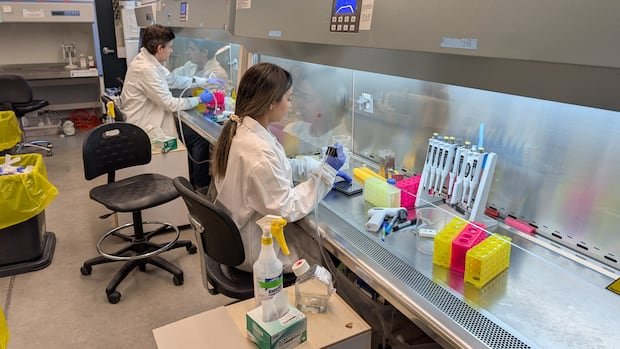
A pivotal moment led Charu Chandrasekera, a biomedical researcher, to shift her focus from using mice in heart failure studies to pursuing alternatives to animal testing. Recognizing the limited success rate of translating animal test results to human outcomes, Chandrasekera established the Canadian Centre for Alternatives to Animal Methods in 2017. The center’s groundbreaking work in developing technologies like 3D bioprinted tissues using human cells aimed to revolutionize health monitoring without relying on animal models.
Despite notable progress, Chandrasekera faced setbacks when funding constraints forced the closure of her lab in 2024. While countries such as the U.K., the U.S., and the European Union have committed resources and outlined plans to phase out animal testing in research, Canada lags behind in addressing the use of animals in biomedical testing. This discrepancy is significant, given that Canada ranks among the top G7 nations in the number of animals used for research purposes annually.
The emergence of innovative technologies like organ-on-a-chip systems underscores the shift towards human cell-based models for research. Milica Radisic, a professor at the University of Toronto, has pioneered the development of living heart tissues that mimic natural heart functions, offering a viable alternative to traditional animal testing methods. These advancements, coupled with in-vitro techniques and AI models, mark a transformative phase in biomedical research, emphasizing the need for creative and biologically relevant approaches.
While some researchers advocate for maintaining certain animal models to comprehend complex biological interactions, others like Chandrasekera and Radisic advocate for prioritizing alternatives to achieve more accurate and ethical research outcomes. Calls for regulatory bodies to validate and adopt these innovative models underscore the ongoing debate on the future of animal testing in research practices.
The absence of dedicated funding in Canada for transitioning towards non-animal testing methods poses a challenge to researchers and organizations striving to lead this paradigm shift. Despite global initiatives investing millions in advancing animal alternatives, Canada’s lack of financial support risks hindering progress in developing and implementing innovative technologies. Stakeholders emphasize the urgency for Canada to take a proactive stance in embracing and funding alternative research methods to align with evolving global standards.

