
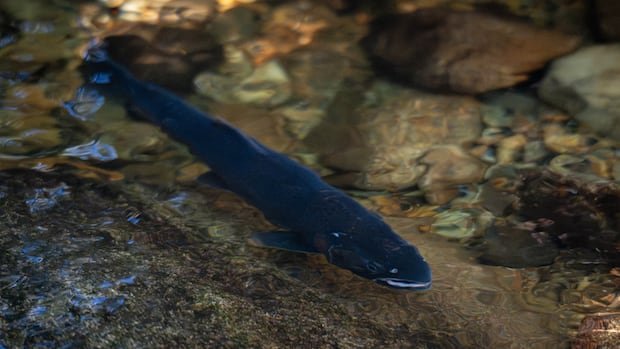
The Canadian government has allocated $412.9 million for a five-year extension of the Pacific Salmon Strategy to safeguard and enhance wild salmon populations. Fisheries Minister Joanne Thompson unveiled the initiative in North Vancouver, emphasizing the achievements made in the initial five years through collaborative efforts to restore habitats, expand hatcheries, enhance management practices, and safeguard vulnerable stocks.
Thompson highlighted the ongoing challenges faced by wild Pacific salmon and underscored the renewed commitment to science-based strategies, Indigenous leadership, and collective responsibility for the long-term protection of salmon populations.
Conservation groups in British Columbia welcomed the funding announcement but stressed the importance of utilizing the funds effectively for on-the-ground assessments to mitigate risks, particularly related to potentially hazardous industrial projects. Concerns were raised about the environmental impact of resource projects that could harm wild salmon if left unmonitored.
Watershed Watch Salmon Society’s executive director, Aaron Hill, expressed apprehension about potential pollution threats amidst reductions in the Fisheries Department’s operational budgets. He emphasized the need to maintain core programs such as stock assessments and selective fishing practices to support the recovery of dwindling salmon populations.
The federal department reported that several wild Pacific salmon populations are classified as endangered, threatened, or of special concern. Misty MacDuffee from the Raincoast Conservation Foundation highlighted the importance of advancing selective fisheries to prevent risks associated with interbreeding of wild and hatchery salmon.
The Pacific Salmon Strategy, launched in 2021, has fostered collaborations among the Canadian government, B.C. and Yukon authorities, Indigenous communities, harvesters, scientists, and environmental groups to revitalize salmon habitats, combat illegal fishing activities, and establish or upgrade over 70 hatcheries.
The funding aims to support sustainable practices that safeguard wild salmon populations for future generations while addressing the complex challenges faced by these iconic species.

