
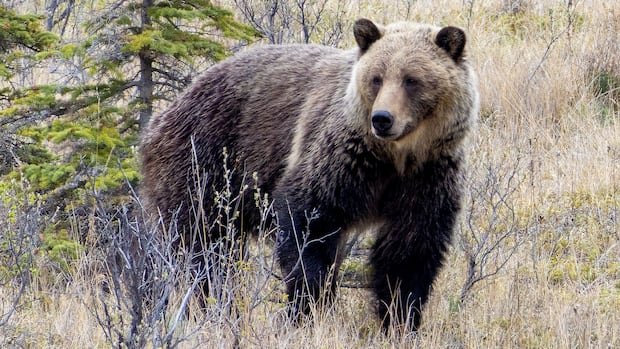
Alberta Fish and Wildlife Enforcement Services are asking for public help following the discovery of a deceased grizzly bear with a gunshot wound last autumn, as stated in a social media update from the department on Friday. The hunter who found the bear’s remains on November 25 near Honey Coulee, a public trail area approximately 110 kilometers south of Calgary, reported the incident.
Officials determined that the grizzly bear had been shot sometime earlier, potentially between November 8 and 20, according to Fish and Wildlife. Grizzly bear hunting has been prohibited in Alberta since 2006, as these animals are classified as a threatened species by the provincial government.
A spokesperson from Fish and Wildlife expressed concerns about poaching and other illegal hunting activities, emphasizing the detrimental impact on Alberta’s ecosystems and law-abiding hunters. Such activities undermine conservation efforts, jeopardize wildlife population management, and may lead to stricter laws affecting lawful hunters.
The Report A Poacher program in the province offers a cash reward to individuals providing information that leads to charges being filed. Retired Alberta Fish and Wildlife officer John Clarke highlighted the significance of the incident, noting the low reproductive rates of grizzly bears, which contribute to their vulnerable status.
Although black bear hunting is allowed in the area where the grizzly bear was found, the season had ended in November 2025. Clarke suggested that the shooting may have been a case of mistaken identity, but upon viewing a photo of the deceased bear, he confirmed it was indeed a grizzly bear.
The ongoing investigation by Fish and Wildlife likely includes examining the area for evidence like tire tracks or footprints, interviewing locals, and identifying hunters with black bear hunting permits in the vicinity. However, if the grizzly wandered off after being shot, pinpointing the exact location of the incident could prove challenging.
The provincial government monitors grizzly bear mortality in Alberta, with vehicle collisions being the primary cause from 2013 to 2022. During this period, there were 58 instances of illegal killing and six cases where a grizzly bear was mistaken for a black bear.

