
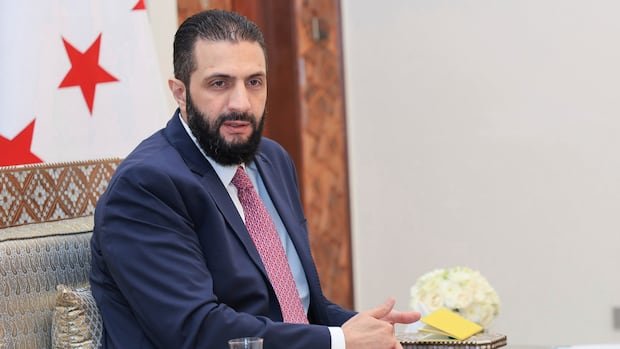
Syria is preparing to conduct parliamentary elections this Sunday, marking the first such electoral event following the ousting of long-standing leader Bashar al-Assad in a rebel uprising last December. During the Assad dynasty’s five-decade reign, Syria regularly held elections open to all citizens, but the Baath Party led by Assad typically dominated the parliament, casting doubt on the credibility of the electoral process.
Although the upcoming elections are not expected to be fully democratic, they will serve as a test of the interim government’s commitment to inclusivity, especially regarding the representation of women and minority groups. The People’s Assembly, comprising 210 seats, will have two-thirds elected by electoral colleges in various districts based on population distribution, while one-third will be directly appointed by interim President Ahmed al-Sharaa.
Challenges have arisen in some areas such as Sweida province and parts of the northeast controlled by the Kurdish-led Syrian Democratic Forces, where elections have been postponed indefinitely due to tensions with the central government in Damascus. Consequently, around 6,000 electoral college members are set to participate in voting for approximately 120 seats across 50 districts.
Following Assad’s removal, existing political parties closely linked to the former regime were dissolved, leaving candidates to run as individuals as no new party registration system has been established. The interim authorities have justified the absence of a popular vote due to difficulties in creating an accurate voter registry amidst mass displacements caused by the lengthy civil war.
Critics have raised concerns about the lack of clear criteria for elector selection, potential vulnerabilities to manipulation in the electoral process, and the absence of set quotas for women and minority representation in the parliament. Despite efforts to ensure some level of inclusivity, questions persist regarding the adequate representation of marginalized groups in the legislative body.
The interim government has defended its approach, emphasizing the need for a gradual transition towards a more comprehensive electoral system in the future. As the nation navigates these complex political dynamics, the upcoming elections will serve as a pivotal step in shaping Syria’s post-conflict governance structure.

