
Astronaut well-being has been a focal point since the inception of space exploration. A range of effects, such as motion sickness, disorientation, muscle weakening, and bone density reduction, have impacted all astronauts venturing beyond Earth.
Over time, NASA has developed treatments utilizing medication and intensive exercise to address many of these conditions during space missions. However, potential severe health issues could pose challenges for extended missions to destinations like the moon and Mars. Hence, scientists are diligently researching the potential health risks long-distance astronauts might encounter and how to manage them effectively.
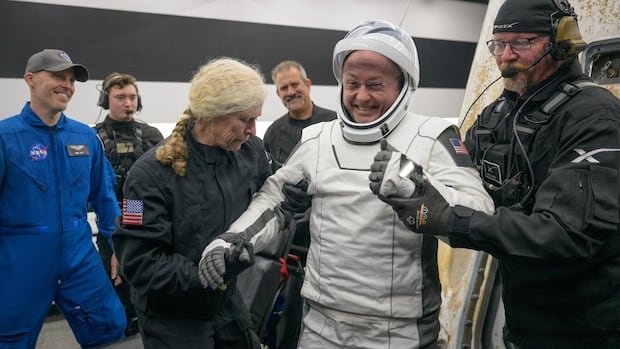
While serious health incidents in space are infrequent, in January 2026, the International Space Station witnessed its first-ever medical evacuation after astronaut Mike Finke experienced a non-life-threatening condition that necessitated diagnosis and treatment on Earth. The cause of the medical emergency has not been disclosed by NASA for privacy reasons, but Finke has confirmed his recovery.
Though rare, close calls in space are scrutinized to enhance comprehension of how microgravity impacts human health. Researchers, including a scientist from Simon Fraser University, investigated the formation of blood clots in microgravity following a female astronaut’s discovery of a clot in her neck in 2019 aboard the space station.
The study revealed that blood clots formed in microgravity are more resilient compared to those forming on Earth. Subsequently, the research team expanded their study to examine potential sex-based differences in blood clotting in a microgravity environment among male astronauts.
Both the unnamed female astronaut and Finke were diagnosed using a portable ultrasound device, a standard tool for routine health checks in space. However, due to limitations on carrying medical equipment to space, astronauts have constrained options once issues are identified.
Weightlessness in space can lead to various health challenges, including blood clot formation and vision alterations. A condition known as Space-Associated Neuro-Ocular Syndrome (SANS) has been identified, affecting astronauts’ vision due to changes in blood flow and pressure in the brain.
Injuries are commonplace in space, as evidenced by NASA studies documenting musculoskeletal injuries and exercise-related incidents among astronauts. While the International Space Station is equipped with medical supplies and personnel, certain conditions necessitating open surgery cannot be treated in space.
As exploration missions extend to the moon and Mars, NASA is developing the Earth-Independent Medical Operations (EIMO) strategy to enable astronauts to manage health issues autonomously during distant missions. Preventive measures and comprehensive health assessments before departure will be crucial to ensure astronauts’ well-being on extended space journeys.
Despite meticulous planning, unforeseen medical emergencies or fatal injuries remain possible in space. In such tragic scenarios, NASA has detailed protocols in place, including the use of a space suit as a temporary body bag until the astronaut can be returned to Earth.
The hope is that such measures will never have to be implemented, emphasizing the paramount importance of astronaut well-being in space exploration endeavors.

