
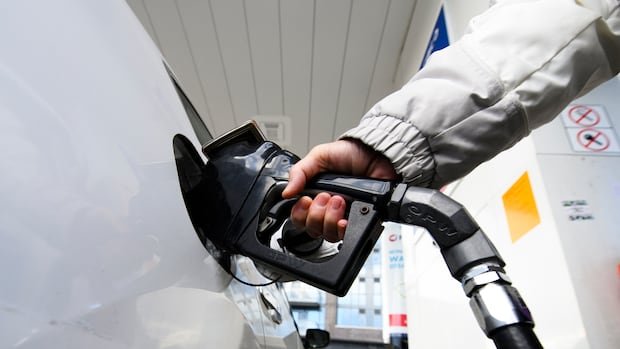
Canada saw a rise in its annual inflation rate to 1.9% in August, as per Statistics Canada’s recent announcement. This data release precedes the upcoming interest rate decision by the Bank of Canada. The increase in inflation was largely expected, with gas prices continuing to decline in August, albeit at a slower rate than in the previous month, contributing to the overall uptick in inflation.
The drop in pump prices since the removal of the consumer carbon price in April has influenced the core inflation metric, resulting in mostly downward trends in the numbers for August. Economists had already predicted a 25-basis point rate cut by the central bank in its upcoming meeting, marking the first cut since March. The inflation figures from Tuesday have further supported this expectation.
Describing the situation as a “low-drama affair,” Douglas Porter, BMO’s chief economist, mentioned that the moderate pace of price growth should not cause the Bank of Canada much concern, signaling a likely rate cut at the upcoming decision. Although the Canadian economy has managed to avoid a worst-case scenario, growth remains sluggish, prompting the need for further interest rate adjustments to stimulate economic activity.
Statistics Canada data revealed a 3.5% increase in grocery prices in August compared to the same period last year. Meat prices saw a significant rise of 7.2%, driven by higher costs of fresh and frozen beef, and processed meat. Conversely, fresh fruit prices decreased by 1.1% year over year, mainly due to lower prices for grapes and berries.
Moreover, the cost of cellular services saw a slower decline in August compared to the previous year, with monthly increases attributed to higher prices for back-to-school cellphone plans. Travel services prices dropped by 3.8% last month, reflecting reduced travel demand to the U.S., while hotel prices experienced an increase, notably in Nova Scotia and Newfoundland and Labrador, the latter hosting the Canada Games during the latter part of August.

