
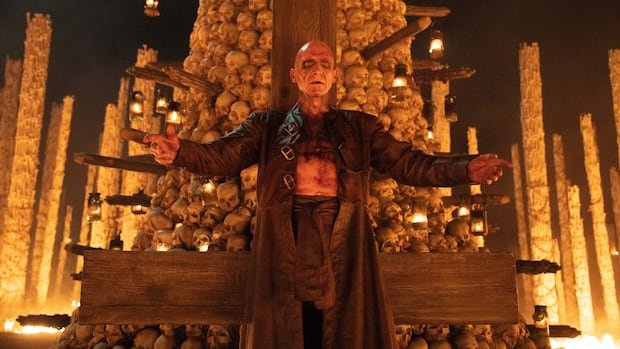
The themes of Nia DaCosta’s film 28 Years Later: The Bone Temple resonate across different historical events.
These echoes include the rapid transformation of the first two European settlers in Australia into a brutal group of torturers after being stranded there. Their leader maintained control by promising rewards from their victims and engaging in ritualistic violence.
A similar scenario occurred in 1941 on Belcher Island in Hudson Bay, where two individuals claimed divinity and orchestrated the deaths of nine community members through ritualistic violence during a harsh winter.
In DaCosta’s zombie-apocalypse sequel, The Bone Temple, we witness how positive communal structures can be perverted for cruel intentions.
The film, although disturbing for many due to its graphic content and exploration of misguided religious fervor, offers more than just action and performances. It presents a thought-provoking commentary on the origins of systematic cruelty and strategies to combat it.
To fully grasp the sequel’s narrative, viewers must be familiar with the conclusion of the previous film, which sets the stage for the events in The Bone Temple.
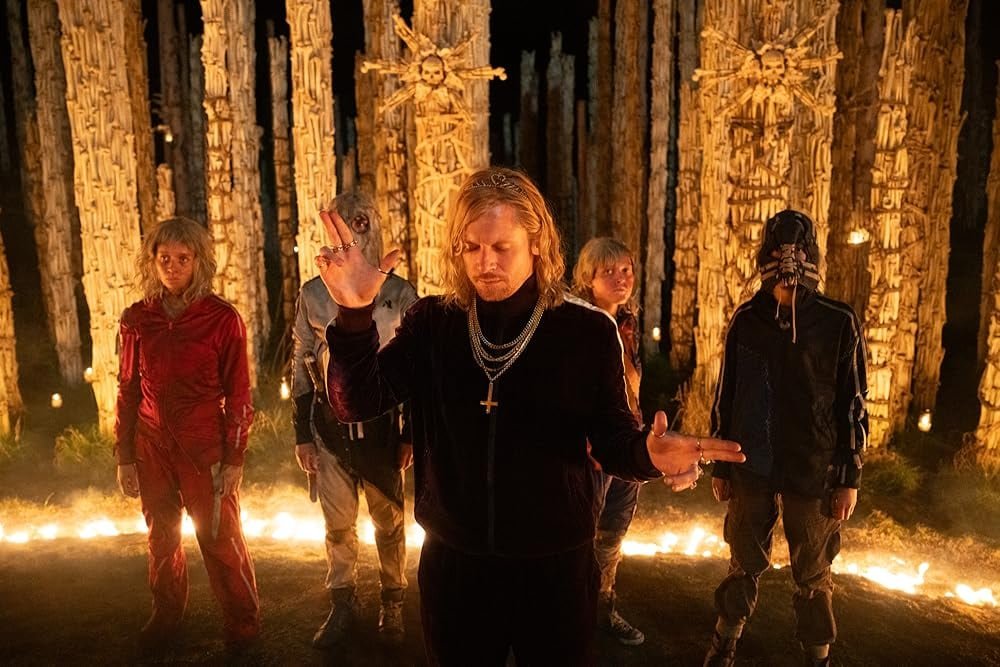
Amid a world ravaged by a deadly virus, survivors in isolated communities face new threats and challenges. The narrative shifts focus to a group led by the charismatic and ruthless Sir Jimmy Crystal, who instills fear through violence and manipulation.
The film explores themes of power, control, and the manipulation of belief systems, making viewers question the leader’s motives and the impact of his actions on those around him.
While the protagonist, Spike, undergoes a transformation, the supporting characters like Dr. Kelson and Samson are given more depth and complexity, adding layers to the story.
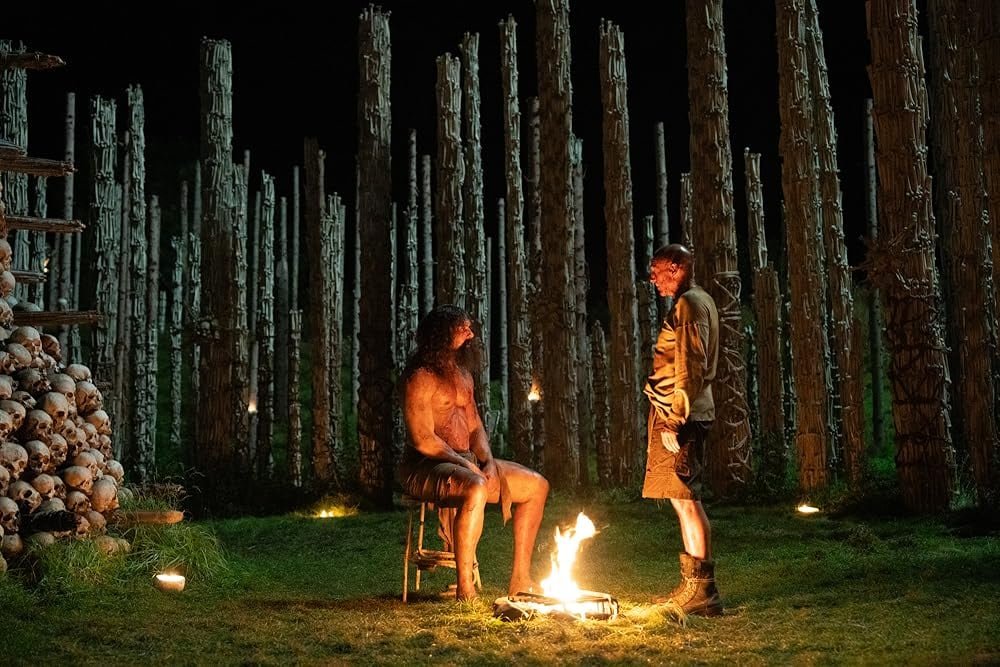
The narrative delves into complex relationships and moral dilemmas, particularly revolving around Erin Kellyman’s character and her interactions with Spike and the cult leader.
Through symbolism and metaphor, the film challenges traditional narratives of salvation and sacrifice, offering a darker perspective on human nature and societal structures.
The Bone Temple ultimately explores the thin line between order and chaos, showcasing how easily established systems can descend into violence and fanaticism.
Despite its grim tone, the film presents a glimmer of hope in resisting oppressive ideologies and holding onto one’s humanity in the face of adversity.
For a film centered on horror and survival, The Bone Temple offers a poignant reflection on contemporary issues and the resilience of the human spirit.

