
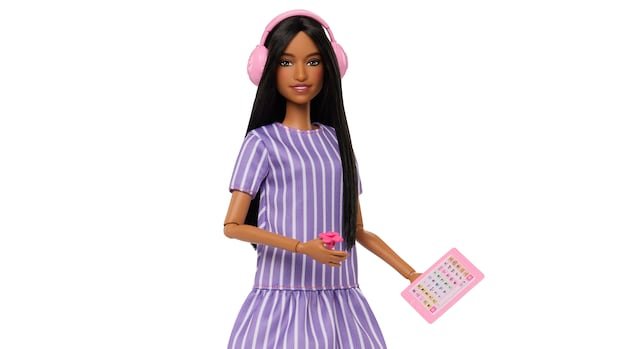
Mattel Inc. is set to launch its inaugural autistic Barbie doll in a bid to enhance representation for children. Collaborating with the Autistic Self Advocacy Network (ASAN), the doll aims to empower autistic children while educating non-autistic individuals. Noor Pervez, ASAN’s community engagement manager, highlighted the importance of portraying autistic people as integral members of society.
The development process involved advocates selecting unique features for the doll over 18 months. For instance, the doll’s eyes slightly shift to the side to reflect the tendency of some autistic individuals to avoid direct eye contact. Additionally, the Barbie boasts movable elbows and wrists to mirror stimming behaviors commonly used by autistic people to process sensory input or express emotions. It also includes a fidget spinner for sensory stimulation.
Regarding the doll’s attire, the team deliberated between a tight or loose-fitting outfit. Opting for a looser garment with flat shoes, the design accommodates sensitivities to fabric textures and challenges with spatial awareness. The Barbie also comes with a tablet to represent non-speaking autistic individuals and is designed as a woman of color to address under-identification issues within these demographics.
Deepa Singal, from the Autism Alliance of Canada, emphasized the under-diagnosis of girls with autism and the significance of broader representation in addressing this issue. The inclusion of non-speaking representation in the doll aims to normalize diverse communication styles and emphasize the value of alternative means of interaction.
Mattel’s new Barbie is part of the Fashionistas line, which features dolls representing various disabilities and conditions, including type 1 diabetes, Down syndrome, blindness, and prosthetic limbs. This initiative aligns with Barbie’s commitment to reflecting diversity and fostering inclusivity among children. Jamie Cygielman, Mattel’s global head of dolls, emphasized the brand’s dedication to showcasing a range of experiences and identities through their products.
The launch of the autistic Barbie marks a significant step towards promoting inclusivity and understanding among children. Pervez, drawing inspiration from his own childhood experiences with inclusive dolls, highlighted the importance of fostering empathy and acceptance through diverse representation in toys. This initiative aims to convey the message that autistic individuals are an integral part of society, much like any other individual.

