
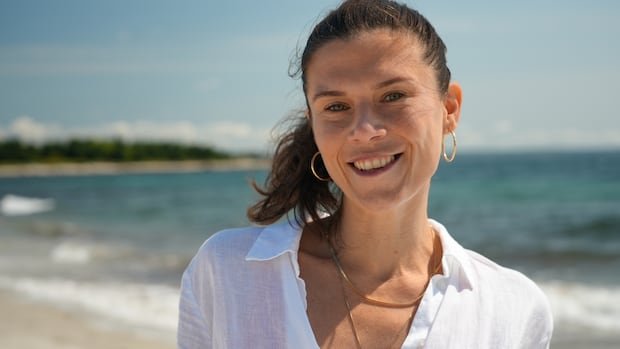
Jennifer Brady embarked on a United Airlines Express flight one sweltering Sunday afternoon in mid-July with determination etched on her face. Finding her seat towards the back of the plane, she finally let her shoulders relax, ready to catch up on some much-needed rest during the two-hour journey from Halifax to Newark, N.J.
After landing, Brady expressed relief, marking the conclusion of a six-year struggle with the Nova Scotia government for lymphedema surgery. This condition, characterized by fluid retention leading to painful swelling, stemmed from lymph node removal during cervical cancer treatment in 2019.
Brady’s public plea for medical assistance in dying a year prior shed light on her daily battle with the disease, which left her emotionally drained and incapable of tending to her children. Following a legal victory against Nova Scotia’s health authorities in October, Premier Tim Houston publicly apologized to Brady and pledged to cover her future medical expenses.
Upon undergoing a lymph node transplant at The Valley Hospital in Paramus, N.J., Brady experienced significant improvements. She no longer required extensive daily care routines, such as using a massage machine for hours on end, and even withdrew her medical assistance in dying application.
Dr. Joseph Dayan, a renowned expert in lymphedema care, performed the successful transplant on Brady, emphasizing the temporary nature of previous management methods. Although lymphedema remains incurable, Dayan highlighted cases where patients achieved substantial progress, envisioning enhanced treatment options through increased funding and research.
In Canada, surgical interventions for lymphedema are limited to residents of Quebec, British Columbia, and Ontario in exceptional circumstances. Despite initial setbacks at local hospitals, Brady’s perseverance led her to seek treatment abroad, navigating complex healthcare systems independently.
In addition to shouldering out-of-pocket expenses during her stay in New Jersey, Brady reflected on the lack of support for patients seeking treatment outside their home province. She expressed gratitude for the positive changes her journey triggered, contributing to a more streamlined approval process for out-of-province medical care in Nova Scotia.
Brady’s story resonated with many, prompting a reevaluation of healthcare policies and procedures in the province. As she continues her recovery journey, Brady remains hopeful that her experiences will pave the way for improved access to specialized lymphedema care for all Canadians impacted by the condition.

