
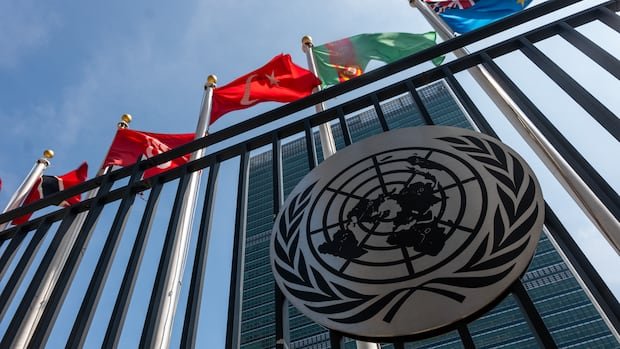
The United Nations has once again enforced sanctions on Iran early Sunday, impacting the country’s nuclear program and economy. These measures come as Iran faces economic challenges, with its currency hitting record lows, leading to soaring food prices and making daily life more difficult for its citizens.
The sanctions, implemented through a mechanism called “snapback” under the 2015 nuclear deal, involve freezing Iranian assets abroad, ceasing arms deals with Tehran, and penalizing any advancements in Iran’s ballistic missile program. This move intensifies pressure on Iran, which is already grappling with a weakened economy.
Concerns loom over potential conflicts between Iran and other nations like Israel and the United States, especially as missile sites targeted during a recent war show signs of reconstruction. Activists fear a rise in repression within Iran, with reports of increased executions this year compared to the past three decades.
France, Germany, and the United Kingdom initiated the snapback process due to Iran’s restrictions on nuclear program monitoring and stalled negotiations with the U.S. Iran’s withdrawal from International Atomic Energy Agency (IAEA) monitoring following recent conflicts has raised global apprehensions.
Despite Iran’s claims of a peaceful nuclear program, there are doubts about its intentions, given its enriched uranium stockpile nearing weapons-grade levels. Iran disputes the enforcement of snapback by the European nations, citing concerns over the U.S.’s previous withdrawal from the nuclear accord in 2018.
In response to the sanctions, Iran recalled its ambassadors from France, Germany, and the U.K. for consultations. U.S. Secretary of State Marco Rubio commended the European nations for their actions, emphasizing the importance of diplomatic solutions and direct talks for resolving the situation.

