
Amid a gathering of influential figures from the business and political realms in July, Beena Goldenberg was actively engaging with attendees, advocating for the cannabis industry. As the CEO of Organigram, she participated in a yearly networking event organized by former premier Frank McKenna at Fox Harb’r Resort in Nova Scotia. During the event, Goldenberg highlighted that the cannabis sector had contributed $16 billion to the national GDP in 2024, generating 227,000 direct and indirect employment opportunities.
In a recent interview, Goldenberg emphasized that in New Brunswick alone, the cannabis industry had added $1 billion to the province’s GDP and had created over 9,000 jobs. She stressed the importance of recognizing the sector as a significant national economic driver, comparable to agriculture, breweries, and distilleries. Despite this, she noted that many business and political leaders were surprised by the industry’s substantial impact.
To raise awareness about the cannabis industry’s economic potential and future growth prospects, Goldenberg and Organigram commissioned a study through the Canadian Chamber of Commerce’s business data lab. The study’s findings, which Goldenberg shared at the networking event, underscored the industry’s growth trajectory and its significance in the Canadian economy.
Andrew DiCapua, the principal economist at the business data lab, echoed the study’s results, highlighting the rapid expansion of the cannabis sector in recent years. He emphasized that while the industry represents a small portion of the overall economy, it has emerged as one of the fastest-growing sectors, creating numerous job opportunities.
The billion-dollar GDP impact of the cannabis industry encompasses direct and indirect contributions to the economy, including the supply chain services and consumer spending by industry employees. DiCapua revealed that in 2024, the cannabis sector directly added over $400 million to the province’s GDP, illustrating its substantial growth over a five-year period.
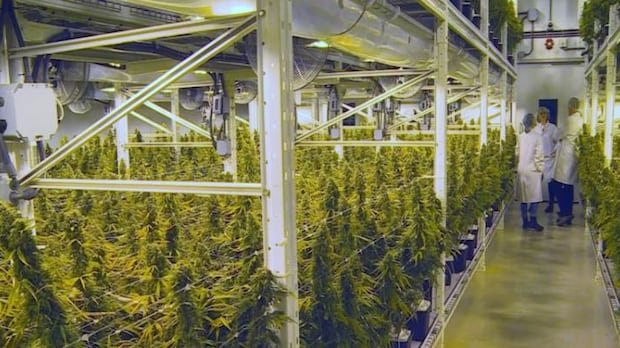
Organigram has been a key player in driving this growth, with its Moncton facility employing approximately 750 individuals across various functions. The company has expanded its operations nationally, including facilities in Manitoba and Quebec, and acquired Motif Labs in Ontario, solidifying its position as the leading cannabis market player in Canada.
While Organigram leads the cannabis industry in New Brunswick, other companies are also pivotal in advancing the sector. Veronica Flores founded Sana’a Craft Cannabis in Miramichi in 2022, initially focusing on the medicinal benefits of cannabis before venturing into recreational products to expand the business. Sana’a caters to the veteran community’s medical needs, offering products for various health issues.
Sana’a operates a 33,000-square foot facility in Miramichi, employing 23 individuals and distributing products nationwide. The company’s involvement in the FarmGate program in New Brunswick allows licensed producers to have retail outlets on-site, enhancing consumer access.
Both Goldenberg and Flores emphasize the challenges posed by the federal excise tax on the cannabis industry, hindering innovation and expansion. They argue that the current tax rates disproportionately burden producers compared to other industries like wine and beer, limiting the sector’s growth potential. Goldenberg and Flores advocate for policy reforms to address these barriers and support the industry’s sustainable development.
In conclusion, the cannabis industry in Canada, particularly in New Brunswick, plays a significant role in the economy, creating jobs and contributing to GDP growth. Despite facing challenges such as high excise taxes, industry leaders like Goldenberg and Flores remain optimistic about the sector’s future prospects and continue to advocate for policy changes to foster its growth.

