
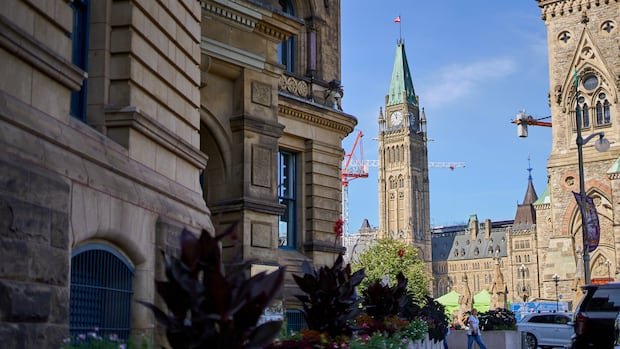
MPs will convene on Parliament Hill on Monday to kick off the fall session of the House of Commons, marking their return since June. The House had a relatively quiet year, with MPs meeting for only a brief period in May and June following the prorogation of Parliament and the earlier election call.
During the spring sitting, despite its brevity, significant government legislation received approval with the collaboration of the Conservatives. As the fall session commences, expectations are high for a more eventful period. Prime Minister Mark Carney emphasized the government’s commitment to economic matters, citing the need to empower Canadians by strengthening the economy amidst signs of economic challenges.
The upcoming highlight of the fall agenda is the unveiling of Carney’s inaugural budget, anticipated to be released in October. This budget, typically presented in the spring but delayed due to the April election, is crucial as it serves as a confidence vote, necessitating support or abstention from other parties to avoid a government collapse. Carney and Finance Minister François-Philippe Champagne have urged departments to identify significant savings and reduce regulations as part of a new fiscal discipline approach.
Several bills introduced in the spring, such as the border bill C-2, remain pending in the House of Commons. However, C-2 faces opposition from various groups concerned about its implications for asylum claimants and privacy rights. Additionally, bills like C-3, addressing citizenship restoration for “lost Canadians,” and C-8, focusing on cybersecurity, are still on the legislative agenda.
Conservative Leader Pierre Poilievre’s return to the House after a brief absence following his re-election in a recent by-election brings a new dynamic. Poilievre’s party is shifting its focus towards scrutinizing the government’s policies and actions, particularly on economic issues and major resource projects. The Conservatives are emphasizing affordability, job creation, crime, and immigration in their fall priorities.
With the Bloc Québécois holding 22 seats, they could influence government decisions, particularly regarding trade and infrastructure projects. Bloc Leader Yves-François Blanchet expressed concerns about the government’s emphasis on oil-related initiatives and highlighted key priorities such as enhancing Old Age Security and addressing housing affordability.
The NDP, despite losing party status in the House, remains influential with its seven seats in a minority Parliament. Interim leader Don Davies aims to provide a progressive voice, particularly regarding concerns about austerity measures and job cuts. The NDP plans to focus on issues like housing and flight attendants’ rights, positioning themselves as a critical player in holding the government accountable.
As the fall session unfolds, the dynamics between the major parties and their priorities will shape the legislative agenda and potential collaborations or confrontations in the House of Commons.

