
Prime Minister Mark Carney has unveiled a set of five significant “nation-building” initiatives that he is pushing to expedite, with two of them situated in British Columbia. Carney aims to accelerate the approval process for these “projects of national interest,” targeting a maximum timeline of two years. These projects have been directed to the federal government’s newly established “Major Projects Office,” where they will undergo coordination with funding partners, regulatory guidance, and project supervision.
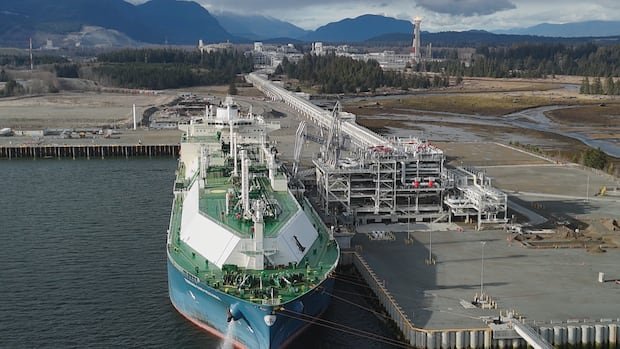
The two projects in British Columbia, LNG Canada Phase 2 and the Red Chris copper and gold mine, involve expansions of existing facilities. LNG Canada, based in Kitimat, has recently concluded its $40 billion Phase 1, marking the commencement of liquefied natural gas (LNG) exports. The proposed Phase 2 seeks to double LNG Canada’s current production capacity to become the second-largest facility of its kind globally, with significantly reduced emissions compared to other LNG facilities.
LNG, derived from natural gas extracted through processes like hydraulic fracturing, is cooled to extreme temperatures for overseas shipment as a fuel source. While considered “clean” due to lower emissions compared to coal and oil, the environmental impacts and energy consumption involved in LNG production are subjects of debate. Despite opposition from organizations like the David Suzuki Foundation and Amnesty International Canada, LNG Canada’s Phase 2 continues to progress.
The Red Chris mine, located near Dease Lake, garnered attention following a rescue operation for trapped miners in July. Currently transitioning to a block-cave mining method, the mine is poised to enhance copper and gold output, with projections indicating a substantial increase in Canada’s copper production. The controversial history of the Red Chris mine, initially met with environmental concerns from Indigenous communities, has evolved to involve the Tahltan Nation in its operations.
The significance of gold and copper production at the Red Chris mine lies in meeting global demands for various industries, supporting energy transitions towards low-carbon societies. Copper, crucial for applications in electric vehicles, ships, and electrical infrastructure, plays a vital role in advancing sustainable technologies.

