
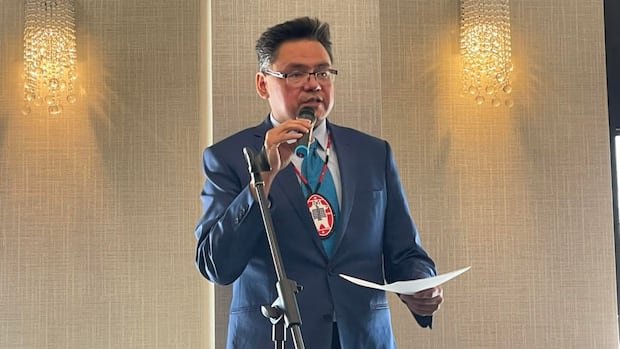

Indigenous leaders in Ontario are conducting online community meetings to discuss a landmark child welfare agreement that has the potential to transform the lives of numerous First Nations children.
Earlier this year, the Nishnawbe Aski Nation and the Chiefs of Ontario finalized an $8.5-billion deal with the federal government. This agreement aims to grant First Nations more authority over child and family services, moving away from a system that has historically separated Indigenous children from their families and communities.
Although the agreement is still pending approval from the Canadian Human Rights Tribunal for full implementation, leaders view it as a pivotal moment.
NAN Deputy Grand Chief Bobby Narcisse stated, “The focus has now shifted from removal to prevention. For many years, the primary focus was on removing children from the community and placing them in foster homes.”
Narcisse highlighted that the agreement addresses the significant challenges faced by remote and northern regions. It will allocate funds for prevention programs, post-majority care, and culturally sensitive services. Additionally, resources will support band representatives advocating for families at risk of child apprehension.

Ontario’s new child welfare agreement could change life for the next generation of Indigenous children. Hear from one survivor of the child welfare system as she reflects on her experience.
Advocates, such as the Assembly of First Nations and Cindy Blackstock, have long contended that the mass removal of Indigenous children into foster care mirrors the legacy of the residential school system. In 2016, the Canadian Human Rights Tribunal ruled that Ottawa discriminated against First Nations children through underfunding child and family services.
Narcisse emphasized that the new agreement aims to rectify this discrimination by establishing a sustainable, long-term funding framework.
For Ashley Bach, a member of the Mishkeegogamang First Nation, this agreement holds personal significance. Adopted from her community as an infant, Bach expressed feeling disconnected from her cultural heritage while growing up.
Reflecting on the agreement, Bach shared, “During the signing of the Ontario Final Agreement last February, I couldn’t help but ponder how different my life might have been if this had been in place earlier. I might have retained that sense of community connection.”
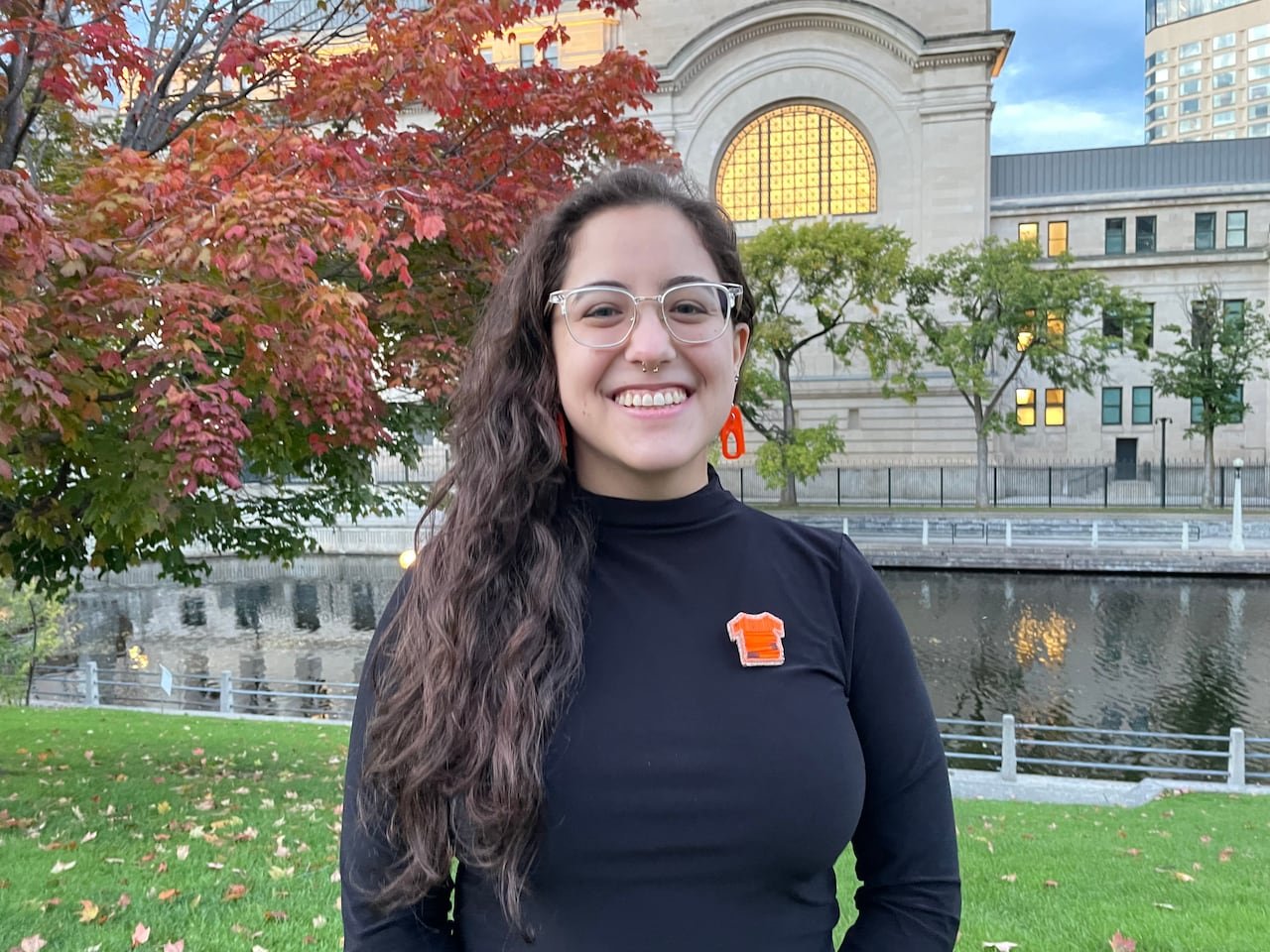
Bach expressed hope that future generations will not face the same detachment.
She stated, “It is my wish that children ahead will maintain that connection. Their First Nations communities should be there to nurture, love, and care for them in a communal manner rather than having the government intervene and remove them.”
“
