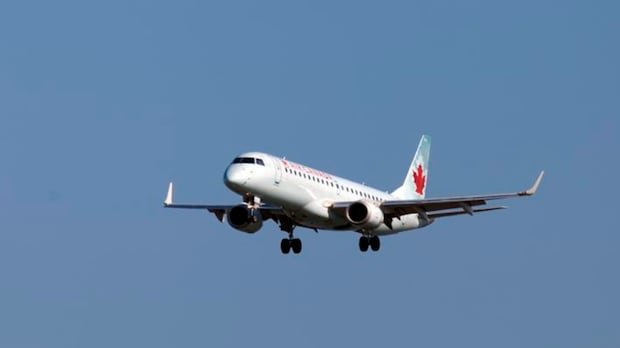


When Luke Wheeldon boarded Air Canada Flight AC33 in July 2019, he was weary. Heading back to Australia after a music festival, he settled in for a restful journey. Linda Woodhouse, a new professor, was also on the flight to Perth. The 15-hour flight was packed with passengers of all ages.

As hours passed, breakfast scents filled the cabin, and some passengers stirred. Suddenly, turbulence struck without warning. The plane jolted, causing chaos and injuries. Despite the scare, researchers are delving into predicting and mitigating clear-air turbulence, worsened by climate change.
Reasons for Increase
Paul Williams, a meteorology expert, links the surge in clear-air turbulence to climate change. Unlike storm-induced turbulence, clear-air turbulence occurs unexpectedly in cloudless skies. The warming atmosphere, especially at high altitudes, intensifies jet stream winds, triggering turbulence.
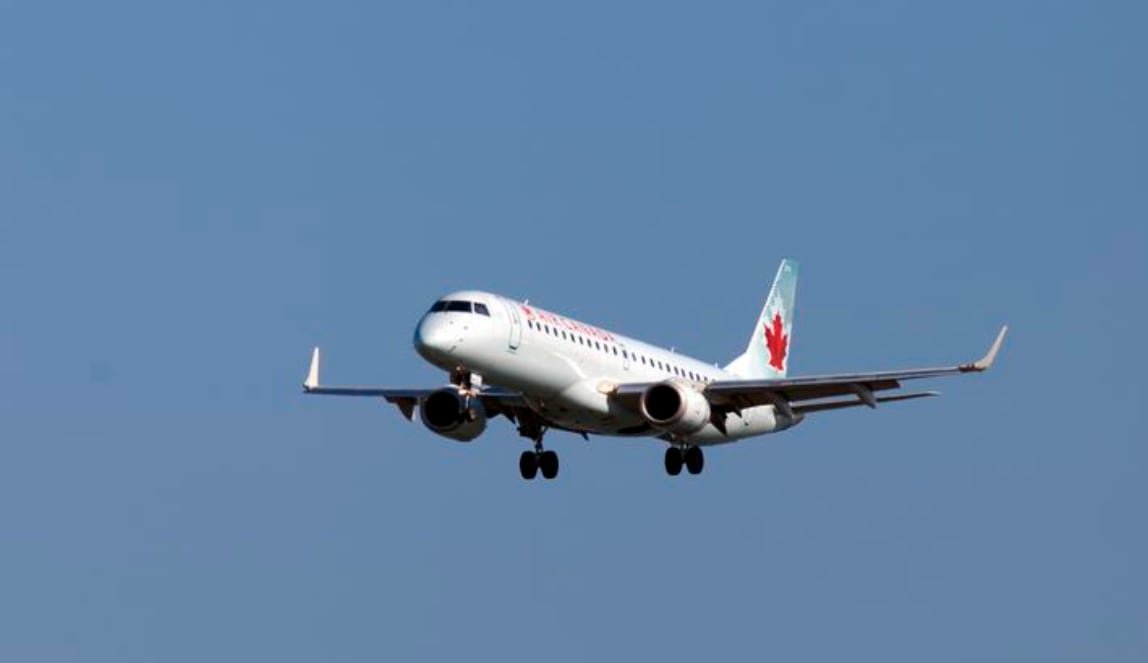
Williams’ research reveals a significant rise in severe clear-air turbulence over the years, posing challenges for air travel safety. The inability to detect this turbulence onboard makes avoidance difficult, emphasizing the need for improved prediction models.
Enhancing Prediction Methods
Advancements in forecasting algorithms, aided by enhanced satellite observations, offer hope in predicting turbulence more accurately. However, the forecasted doubling of severe clear-air turbulence highlights the urgency for emission reduction measures.
Severe airline turbulence rising because of climate change, study says
August 8, 2017|

Related articles
Recent articles

Bringing you trusted journalism with depth and balance, covering news, business, culture, and world affairs that matter most.
© All rights reserved by Portugal Inside.