
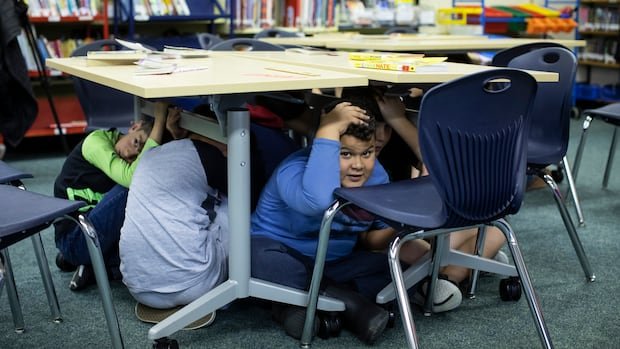
Minutes after a massive 9.0 magnitude earthquake hit off Vancouver Island on a summer day, thousands of British Columbians faced casualties and injuries amidst the chaos of subsequent tsunamis and aftershocks. Survivors overwhelmed hospitals in search of their loved ones as road and rail links were disrupted by the quake and flooded by tsunami waters, leading to shortages of food and medical supplies.
A B.C. government risk analysis outlined a grim scenario of a “megathrust” earthquake, predicting over 3,400 fatalities and more than 10,000 injuries on the main shock day, with additional casualties caused by triggered hazards like tsunamis, aftershocks, and fires. The report projected costs of $128 billion, destruction of 18,000 buildings, and extensive damage to 10,000 more. Economic growth would be halved, resulting in GDP and job losses over the following decade, surpassing the cumulative impacts of all past disasters in B.C. over two centuries.
The analysis highlighted potential heavy damage on Vancouver Island and a 20-kilometre coastal stretch from the U.S. border to the Sunshine Coast. This assessment was part of the B.C. disaster and climate risk evaluation, dated October 2025, which also outlined other extreme event scenarios such as severe flooding in the Fraser Valley, high-tide flooding on the southwest coast post-winter storms, urban interface fires, and prolonged droughts.
Professor Edwin Nissen from the University of Victoria explained that the report’s estimates were based on simulations assessing the earthquake’s impact on structures. Nissen emphasized the significant uncertainty in these figures due to various factors like the time and season of the quake, with winter earthquakes posing higher risks due to increased ground water absorption leading to landslides and soil liquefaction.
The report mentioned the last comparable earthquake occurring in 1700, known through oral records from First Nations and scientific studies of the Cascadia fault, extending from mid-to-northern Vancouver to Northern California. The likelihood of a similar extreme event within the next 30 years was estimated between two to ten percent, with the 2004 Indian Ocean earthquake cited as a comparable event.
Nissen emphasized the unpredictable nature of such megaquakes, stating they do not follow a regular schedule and could happen anytime. He underlined the importance of ongoing preparedness efforts, especially considering the lack of substantial seismic activity in the Cascadia subduction zone. Nissen stressed the necessity for readiness, given the potential for earthquakes to occur without warning.

